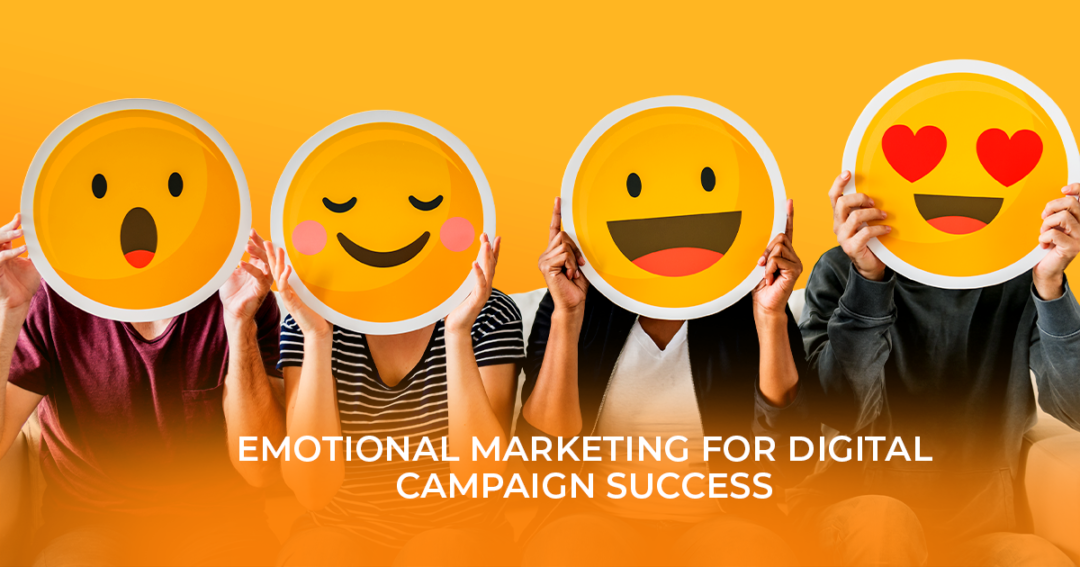
In the current world, which is digitized and technology-oriented, the customers are purchasing emotions along with products. The emotional marketing approach has turned into one of the most effective approaches of building an emotional connection with customers. In addition to features or pricing, some innovative firms adopt emotional marketing approaches for creating relevant content.
Through tools like story marketing, nostalgia marketing, and emotional engagement marketing, emotions like joy, empathy, and familiarity can be created. Through this blog, you will get knowledge regarding the impact of emotional marketing approaches on your digital campaigns.
What Is Emotional Marketing?
What is emotional marketing? Emotional marketing can be defined as a marketing approach whereby emotions are used to drive consumer behavior. Emotional marketing does not just use data and numbers but uses emotions such as joy, happiness, fear, and belonging. Emotional marketing has a great effect on decision-making processes when consumers buy things.
When the correct emotional marketing approach is implemented by brands, there will always be that strong connection between the brands and the consumers.
Understanding The Psychology of Emotional Marketing
It is important to note that most purchases are not made rationally; they are made emotionally. Research shows that from 80% to 95% of our shopping is driven by emotions rather than logical reasoning. Emotions drive the brain more quickly than reason does when it comes to feelings of trust, happiness, or even fear.
This is exactly why emotional marketing is so effective. When you hit the right emotional chord, you create not only an impression but also a memory.
Key Emotional Marketing Strategies in Digital Campaigns
Emotional marketing is most effective if it is applied by using a thoughtful strategy. Here’s how you can apply an emotional strategy to your digital marketing campaigns:
Storytelling:
The good stories don’t just happen on a big screen, but also in marketing because brands create an everlasting connection with consumers through stories that are consistent with their beliefs and emotions.
Real-world example:
The well-known slogan “Just Do It” by Nike uses an inspiring story that makes people feel motivated and determined.
Nostalgia Marketing
The past has its own charm, which the marketing through nostalgia exploits in full measure. When brands make use of past memories, designs or events to create the feeling of nostalgia among customers, they build instant trust and bond with them.
Real-world example:
Ads by Google that are based on nostalgia often take one back to memories from childhood.
Empathy and Social Responsibility
In today’s world, consumers expect the brand to represent something valuable to them. The moment a brand empathizes and tackles real-life problems, the brand develops trust among the consumers.
Real-world example:
The reason why Dove’s “Real Beauty” campaign works is that it promotes body positivity and self-respect.
User-Generated Content & Emotional Proof
Sometimes a real story told by an actual person can work much better than an advertisement that has been finely tuned. This is where user-generated content (UGC) comes into play, allowing clients to speak about their own experience with a brand, thus adding authenticity and reliability to it.
Real-world example:
The company Airbnb uses stories from its guests and travelers’ experiences to illustrate the true story of the brand.
Emotional Marketing’s Impact on Engagement & Conversion
- Boost Brand Recognition: Emotional content makes you unique and gives your brand recognition in the increasingly competitive online world.
- Build Bonds: When people connect on an emotional level, they form a connection with the brand. That is what emotional engagement is all about.
- Increases Conversion Rates: People’s emotions have more impact on their buying decisions than reason. Emotional triggers can make people take actions.
- Gets the Content Shared: Emotional triggers make people share your content, and you get exposure for free.
- Builds Loyal Clients: Emotional connections build trust and customer loyalty.
With the help of storytelling, emotional engagement, and nostalgia marketing, companies can transform a one-time client into a loyal supporter.
Conclusion
Using emotions to market your digital campaigns will ensure success by making sure the content is relatable and impactful. Emotions are what will enable your brand to engage with its audience.
The main objective of all these approaches is to build an emotional connection with your audience. This means more than just selling a product; it entails storytelling and emotional engagement.
Are you looking to take your campaigns to the next level? Call DigiChefs today!