




Turning High-Ticket Inquiries into Qualified Industrial Leads
About The Brand
Founded in 1960 and headquartered in Coimbatore, India, ELGi is a global manufacturer of compressed-air solutions, offering an extensive range spanning oil-lubricated and oil-free rotary screw, reciprocating, and centrifugal compressors, along with dryers, filters, and downstream accessories. The company runs manufacturing facilities across India, China, Italy, and France, and its equipment is installed in over 100 countries. ELGi was the first industrial air-compressor manufacturer outside Japan to win the prestigious Deming Prize for total quality management.
Challenge
ELGi's EPSAC range consists of high-power, high-ticket screw compressors built for large industrial buyers - a very different purchase decision from ELGi's smaller, lower-cost compressor products.
Mismatched Demand:
The majority of inbound inquiries were for ELGi's smaller-ticket products, not the high-value EPSAC screw compressors the campaign needed to sell.Poor Lead Quality:
A significant share of leads were casual browsers, job seekers, and service requests- inquiries with no genuine purchase intent.
Volume vs. Quality:
Lead Quality optimization had to implemented without compromising on the lead volume that the business had come to rely on.
Strategy & Delivery Overview
Campaigns were structured and continuously refined using four core levers, all aimed at systematically improving lead quality without sacrificing scale.
Market & Regional Segmentation: Campaigns were structured into region-specific segments (North, South, Central/Maharashtra), so budget and creative could be optimized against each market's behavior. Segments were consolidated where performance data supported it (Central and Maharashtra merged in June 2025).
Communication & Format Testing: Ad messaging was iterated and tailored by product, industry, use case, job designation, and language- for example, distinct communication, benefits, and use cases were built for different industries and job designations. Formats and outreach types were tested in parallel to identify the highest-performing combination for each audience.
Audience & Lead-Form Qualification: Audience segments, including job seniority and designation, were continuously refined to filter out irrelevant inquiries. Lead form questions, messaging, and conditional logics were implemented using direct sales feedback to qualify prospects upfront.
Budget Reallocation: Spend was continuously shifted across regions and platforms to prioritize the markets and channels with the strongest lead-qualification performance, guided by market trends and seasonality.
Delivery Insights
Efficiency vs. Quality Trade-off: Cost per MQL was lowest in Q2, while MQL ratio peaked in Q3 (28.70%) showing that cost-efficiency and lead-quality gains compounded at different points in the year as optimization matured.
Sustained Efficiency Gains: Over the 12-month period, CPC reduced by 70.84% and CPL decreased by 34.62%, while maintaining the a continuous improvement in lead quality, not at the expense of it.
Regional Budget Shifts: Central/Maharashtra posted an above-average MQL ratio in Q2, which drove increased budget allocation to the region that quarter. North, historically a lower-MQL market, showed a clear improvement in Q3, prompting a similar reallocation to capture the trend early.
Customization drove quality; localization drove volume: Messaging tailored to individual industries and use cases showed a marked improvement in both conversion rates and open rates, while creative in regional languages was the stronger lever for driving volume.
Platform mix balanced cost and quality: Instagram delivered a clear cost and volume advantage, but Facebook consistently converted to MQL at a higher rate, and by the most recent quarter, was producing roughly 50% lower cost per MQL, making it the more efficient platform once quality was factored in.
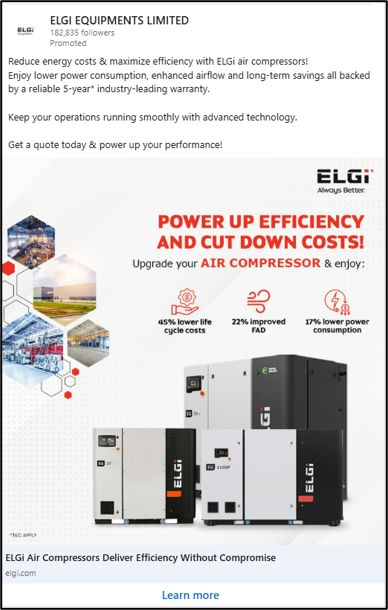
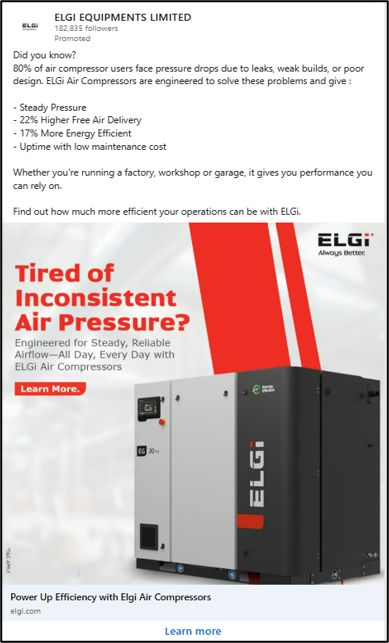
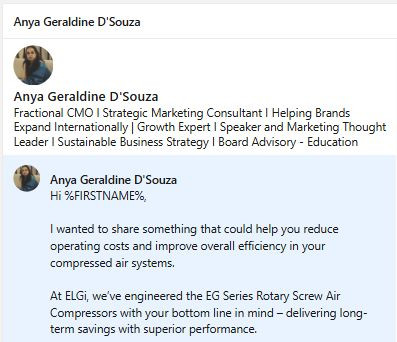
Campaign Creatives
Impact
Driving Better Lead Quality While Reducing Acquisition Costs (April 2025-March 2026)
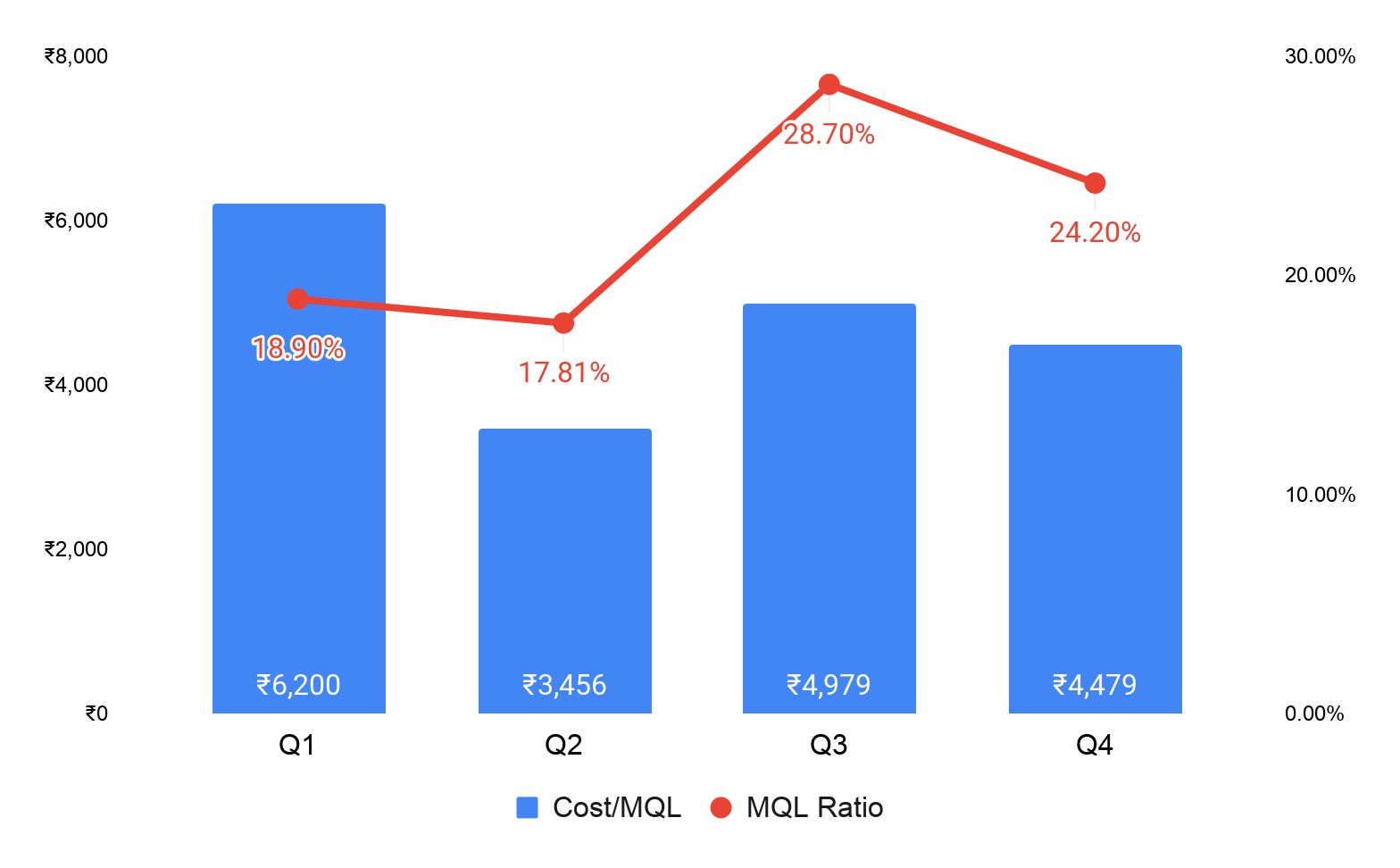
From Q1 to Q4, ELGi saw a 28% increase in MQL Ratio, reaching a peak of 28.7% in Q3, while Cost per MQL declined by 28%, from ₹6,200 to ₹4,479.
Cost per MQL dropped sharply from ₹6,200 to ₹3,456 (-44%), while MQL ratio dipped slightly (18.9% → 17.81%)- with the focus on improving cost per MQL, even at a marginal, short-term quality cost.
Cost per MQL rose from ₹3,456 to ₹4,979, but MQL ratio jumped from 17.81% to its 28.70% peak- a trade-off where incremental spend bought a disproportionately larger gain in lead quality as targeting matured.
Both metrics eased back from their Q3 extremes (cost down to ₹4,479, MQL ratio down to 24.20%).
Recent Case Studies

Bajaj Auto Credit Limited: Your Trusted Partner for Two & Three-Wheeler Financing
Read the story ↗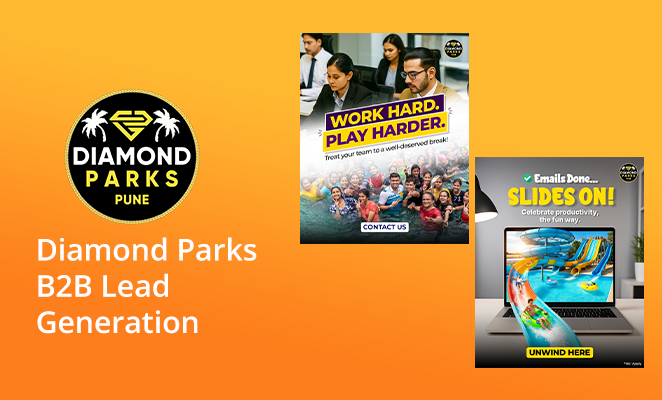
184% increase in Conversion Rate and 38% decrease in CPL (Google & Meta) | Diamond Water Parks
See how Digichefs helped Diamond Water Parks Pune drive 184% higher conversions and 38% lower CPL through targeted Google & Meta B2B ad strategies.
Read the story ↗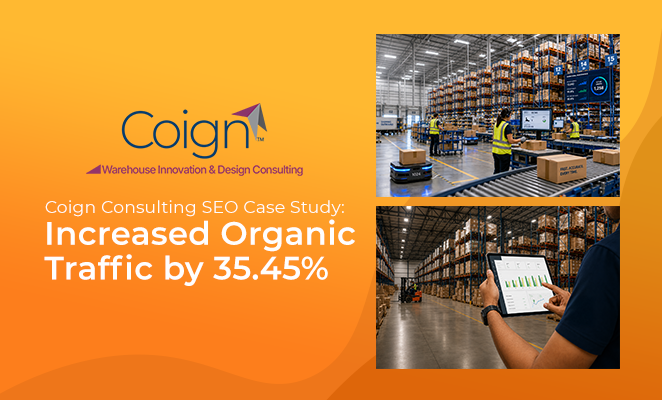
35.45% Rise in Organic Traffic by Strategic SEO Keyword Targeting | Coign Consulting
How we helped Coign Consulting increase organic traffic by 35.45% through technical SEO, content optimization, and strategic keyword targeting. Read more!
Read the story ↗
62.6% Organic Surge in Conversions Within 3 Months | The Hosteller Backpacker
See how The Hosteller scaled bookings with seasonal SEO, local targeting, and UX upgrades to drive 62.6% conversions and a 76% spike in sessions.
Read the story ↗
Pressto India: Creative Showcase
Check out how we build Pressto India as a premium brand image through strategic content, creative collaterals, and digital storytelling.
Read the story ↗