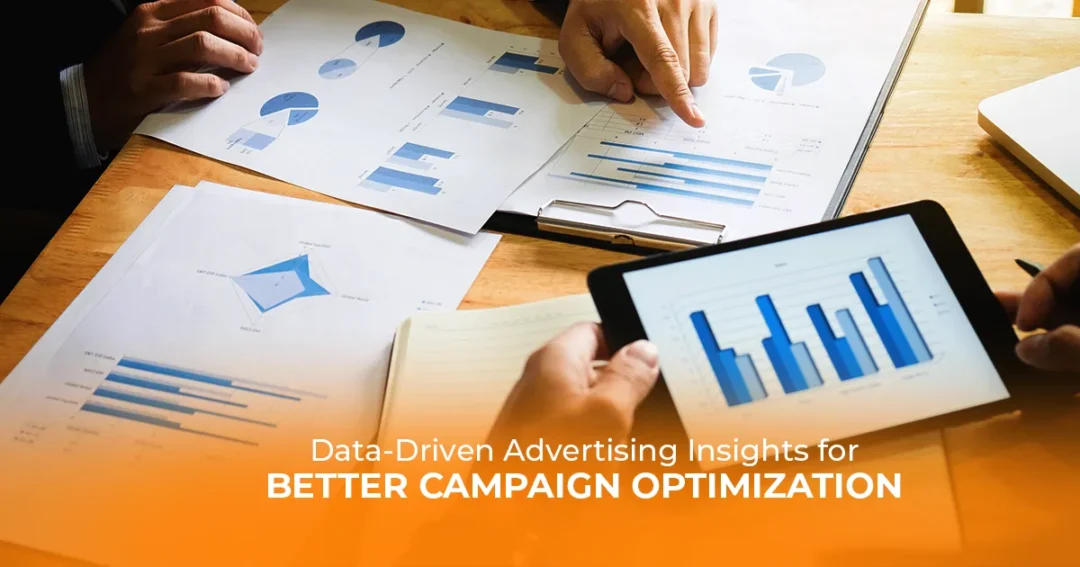
Data-driven marketing has truly been game-changing for marketers as far as helping companies stay ahead of the competition is concerned. With so much data coming in through multiple channels, companies have now found a way to use consumer behavior data to improve their marketing efforts. This helps to improve targeting and maximize spend, which will lead to better results for the campaigns as well as a higher ROI.
In this post, we will look at how data-driven insights can help take campaigns to the next level.
Data-driven marketing is when companies use consumer data to guide their marketing efforts. When companies make use of consumer data, they can help refine their campaigns and make them more effective. Data-driven marketing has proven to be highly successful in performance as well as traditional marketing.
Key Insights to Collect and Analyze
The foundation of any effective data driven marketing campaign is the data that you choose to collect. However, considering the amount of data available at the moment, finding those insights that really matter can be quite challenging. Here are some vital pieces of information that will give you an advantage:
- Demographic Information: Age, gender, geographical position, and financial status are all necessary to address certain audience segments effectively.
- Behavioral Information: Information on the customer behavior, such as page visits, clicks, and buying history helps advertisers design personalized advertisement campaigns.
- Performance Metrics: Click Through Rate (CTR) and Conversion Rate are two performance metrics that play an important role in evaluating the success of your advertisement campaigns.
- Device Data: Information on the devices your customers use for browsing helps target them based on their platform preference.
This will help you build more personalized and effective campaigns.
How Data Enhances Targeting and Ad Spend
One of the major benefits of data-driven marketing is the ability to effectively target. Traditional advertising methods have been relying heavily on generalized demographic or interest criteria, but with data, you can transcend these limitations.
By leveraging insights gained from data, you can:
- Target the Right Audience: With data, you can do hyper-targeting and reach customers who are more likely to react to your ads positively. Through analysis of customer behavior and demographic characteristics, you will be able to identify your target audience and serve relevant ads to it.
- Optimize Ad Budget Allocation: You will be able to spend money on advertising smarter. By monitoring essential performance metrics, you will be able to identify successful and unsuccessful campaigns and make necessary adjustments to your budget. This way, you will eliminate wasted budget spend and increase campaign performance.
- Tailor Ad Content: You will be able to tailor your message to fit particular segments of your audience, increasing the effectiveness of your campaigns.
Ultimately, you will be able to focus your efforts on the most effective channels thanks to data-driven marketing.
Getting to Know Data Attribution Models
Attribution models are crucial when it comes to data-driven marketing. These allow one to identify those touchpoints that play the largest role in the customer’s conversion process by distributing credits fairly.
- First-Touch Attribution: In this case, the whole credit is attributed to the first customer touchpoint with the brand.
- Last-Touch Attribution: In this scenario, the focus will be on the last touchpoint that precedes the customer conversion.
- Linear Attribution: This model allows distributing credit equally among all touchpoints.
- Position-Based Attribution: This model puts more emphasis on the first and last touchpoints while paying less attention to touchpoints between.
The choice of attribution model is of critical importance for comprehending the customer journey and improving marketing campaigns.
Real-Time Campaign Optimization with Data
The ability to optimize campaigns on the go is one of the biggest advantages of data-driven marketing and advertising. In case you have appropriate tools that gather data, it’s much easier to change your marketing strategy according to data that you have.
- A/B Testing: The possibility of conducting A/B testing gives an opportunity to test different versions of ads and choose the one that brings more traffic and conversion.
- Dynamic Ad Personalization: Data-driven technologies give marketers the opportunity to create different versions of ads depending on the behavior of users.
- Changes in the Course of Campaigns: It’s possible to change your marketing campaign during the campaign process in case it doesn’t bring expected results.
Real-time optimization is sure to bring you success in advertising.
Conclusion
By concentrating on these key elements of data-driven advertising insights, you will be able to improve your strategy and leverage your marketing budget in a much better way. Through enhanced targeting and analysis, your campaigns will perform smoother and help you achieve success. With right use of data, you will be able to get all that you need from your campaign.
For digital growth tips and best practices, reach out to Digichefs.