What is Content Personalization?
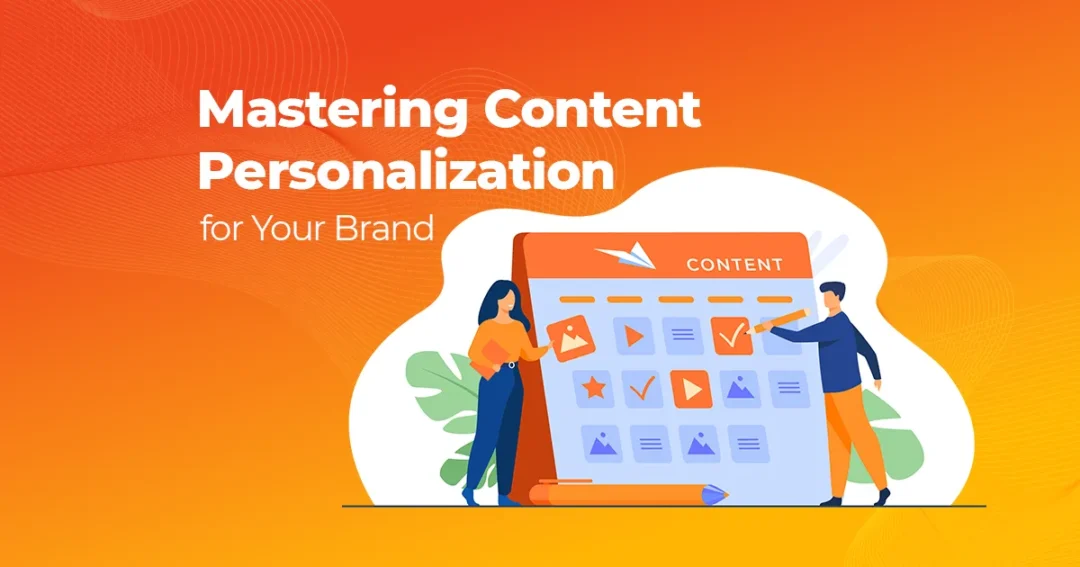
One strategy does not fit all. Modern consumers are interested in unique experiences according to their individual preferences, needs, and behavior. And here content personalization comes into play. To put it simply, it means creating individualized experiences for the users according to their preferences and their interaction with the company.
Content personalization is not just addressing the user by their name. Content personalization means sending content to the user at the right time and making them feel that they are noticed. This includes any kind of content, from website content to social media posts and emails.
The Impact of Personalized Content on Engagement
The benefits of personalizing the content are quite clear and have been widely acknowledged by many platforms.
More Engagement: The engagement rates will automatically increase when the content is tailored to the individual customer as per their needs. From clicking on the recommended products, sharing posts to subscribing to newsletters, the content personalization will improve these engagements.
Better Retention Rate: The content personalization will ensure that the customers are engaged and satisfied with the experience they get from the content. In doing so, the relationship between the brand and the customers is strengthened and leads to better retention rate.
More Conversions: The personalized content will be helpful in improving the conversion rate of the customers because they can do what you wish from them in the desired way.
Brand Loyalty: The personalization will help to strengthen the bond between the customers and the brand.
Strategies to Personalize Your Content
Leverage Data for Insights
Understanding your audience is critical in order to make a good content customization plan. Collect and process data about your audience from your websites, social networks, emails and customer interactions to recognize their habits and preferences. Google Analytics, heat maps and social listening tools will help you learn what is really interesting for your audience.
Segment Your Audience
However, all your customers are not the same. Therefore, it is important that you segment your audience by considering demographics, buying history, geographics and behavioral considerations. In this way, you will be able to tailor your content according to their needs. For instance, the new customers may need information about your product whereas the loyal customers may be looking for discounts.
Tailor Messaging Based on User Behavior
Create engaging content that can change based on how the user interacts with your website. For example, if your website visitor frequently checks out certain categories of products, make their experience more engaging by presenting them with related products and offers. Tools such as dynamic content blocks for emails or product recommendation engines for your website can help you do this easily.
Use Personalized Emails
Email marketing is still a very effective channel, and if you make your emails personalized, you will certainly raise the chances of opening and clicking through. Do not just use people’s names in your emails, but personalize the whole message according to how your potential customer interacted with your brand before.
Make the Most of Social Media for Personalization
There are numerous opportunities on social media platforms that enable you to customize your strategy. Through analyzing data about users, you can optimize everything you post, advertise, and interact with. Make use of such platforms as Facebook and Instagram to create customized audiences that will enjoy engaging with your content.
Design Tailored Landing Pages
The creation of a personalized website landing page provides an exclusive user experience tailored to what you know about your user. For example, if a user has clicked on a certain product, you may tailor a landing page for this user that will show this product, related products, and more.
Essential Tools and Technologies for Content Personalization
Customer Data Platforms (CDP)
A customer data platform is an integrated marketing solution that consolidates information about your customers and their behavior. It provides a complete view of your audience that allows you to offer personalized content. Some CDPs worth considering include Segment and BlueConic.
Email Marketing Solutions
Mailchimp, Klaviyo, and ActiveCampaign are some of the most popular tools that allow you to manage segmented email lists and send users personalized content based on their behavior and previous interaction with your emails.
Content Management System (CMS)
Advanced and modern CMS solutions such as WordPress, HubSpot, and Drupal support dynamic content delivery and make it easy to personalize content on the website.
Artificial Intelligence-Powered Personalization Solution
Artificial intelligence is a powerful tool that makes personalized content delivery possible on a large scale. Such tools as Optimizely and Dynamic Yield use machine learning algorithms to personalize content according to the data about your customers.
Social Media Listening Tools
Social media listening tools like Sprout Social and Hootsuite will help you listen to your audience and gain useful insights that can be used in personalization.
Measuring Success with Personalization
Engagement Metrics
Evaluate metrics such as click-through rate (CTR), bounce rates, and the time spent by users on your web page to find out whether your personalized content works for you.
Conversion Rate
It is important to evaluate how personalized content contributes to conversions. Whether it is purchases, subscriptions, or any other activity that you want your visitors to perform, monitoring the conversions will help you assess the effectiveness of personalization and its ROI.
Customer Retention Rate
The level of customer retention may increase thanks to personalization, and it is necessary to evaluate how many people come back to use your service after interacting with personalized content.
Customer Satisfaction
Using feedback and surveys may help you assess the level of customer satisfaction. Satisfied customers are more likely to retain.
Conclusion
Incorporating content personalization techniques in your marketing activities can be instrumental in helping your brand build a better relationship with its customers. The use of such content not only helps in building a trust relationship but also ensures that you engage your customers and convert them. As you start down this road, ensure that you employ the right techniques and measure the outcome to have future success. In case you wish to improve your content personalization technique, consider partnering with a good content marketing agency. This can enable your brand to grow and achieve great things.
For Best Practices and Digital growth, contact Digichefs.