
Easy access to content management frameworks like WooCommerce and cloud solutions like Shopify has enabled everyone with access to the internet and an ability to research well, to start his or her own online business in quick easy steps.
I come across so many new entrepreneurs or ecommerce SEO companies who have a great product or service line, have built up an e-commerce website of their own and are now struggling with eventual sales on their portals.
The truth is, no matter how new you’re to the market, the customer expects your website to be user-friendly, to load faster and most importantly, assure him or her that they are not taking a stupid decision by shopping on your e-portal.
I wrote about How to Start an E-Commerce Business in 6 Steps. Here’s a link to the same in case you missed that.
In the case of e-commerce, for a transaction to take place on your website, there are a number of things that need to be done correctly. Here’s a sneak peek on some very important ones:
1. Clear positioning
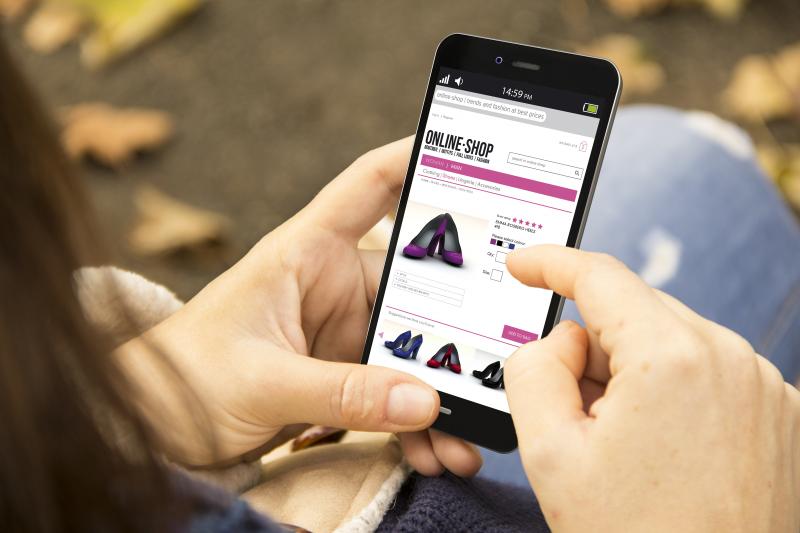
Most brands have very unstable positioning in the early stages of their business. They are aware of their positioning when they come up with the idea of forming the business, but as time passes and they get entangled with the setup of their business, the idea gets lost in translation for the end-user to be kicked about the same. It’s suggested that once you build your website, you look at it from a completely fresh perspective to ensure that if you were a completely new user landing on the website, would you get what this website is trying to talk to you about?
Tip: Do an open survey with a few folks around without explaining them the product/service and see what review you get
2. Trust building cues

In today’s age where data privacy is the talk of the town, people are understanding the importance of how necessary it is to keep their personal information safe. In this scenario, you cannot expect a new user to trust you blindly and punch in their credit card information without being wary at least once. Help your visitors out! Tell them they’re not the only ones on your website. Build trust by using HTTPS, use familiar payment gateways, have video testimonials from previous clientele, mention the kind of technical security you have on your website OUT LOUD!
3. Nurturing the visitor via remarketing
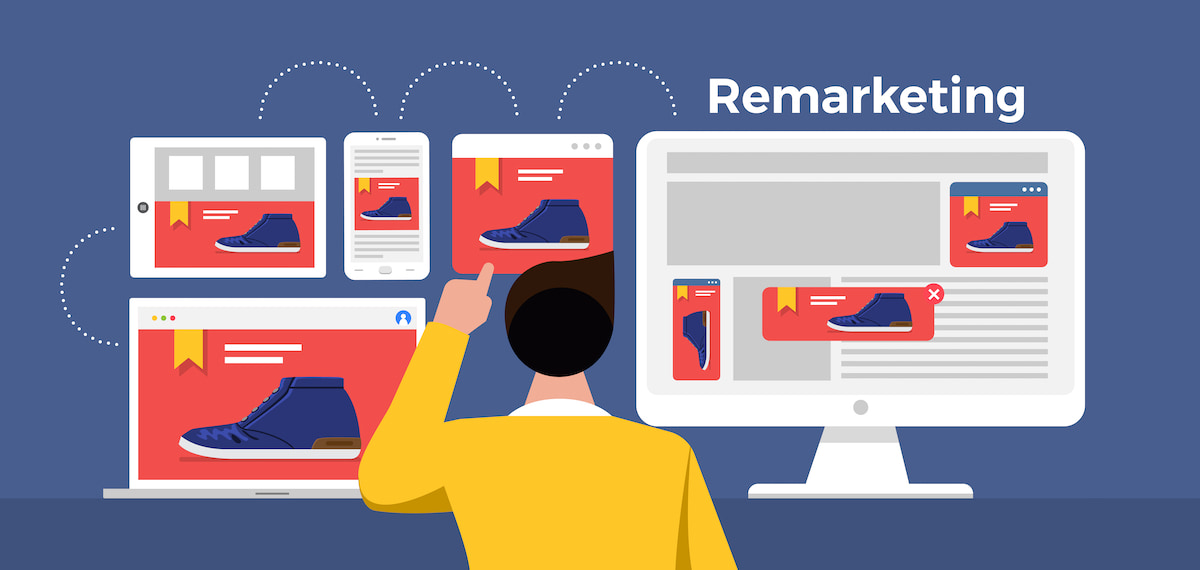
Most users may not purchase from your site on their very first visit. That’s because you’re too new to be believed or trusted. They may want to look around for options with better deals. In such a case, it’s necessary to build brand recall with your visitors via remarketing with the use of display ads. You can use Google, FB or Instagram remarketing campaigns to ensure that users see your product (or website) communication elsewhere too. Of course, don’t be annoying.
4. Giving before taking

Don’t be too pushy in your communication. People won’t purchase from you if they feel you’re trying too hard to sell to them (unless you have an incredible product or an incredible price). Try to give out more information about the product/service, might have them read a blog too. You can try asking them to download a coupon on your website for their first purchase and so on. Giving is caring! Care and empathy are the marketing language for today’s brands!
5. Building up the community

Invite your visitors to your social media handles too! Ask them to follow you on relevant social media channels and you can often post awesome content there. Again, if you’re going to shove price tags into your visitor’s face on their social media feeds, be prepared for backlash. The idea is to build a community here, which believes in your brand and wouldn’t mind introducing it to their friends.
6. The lifetime value of every customer
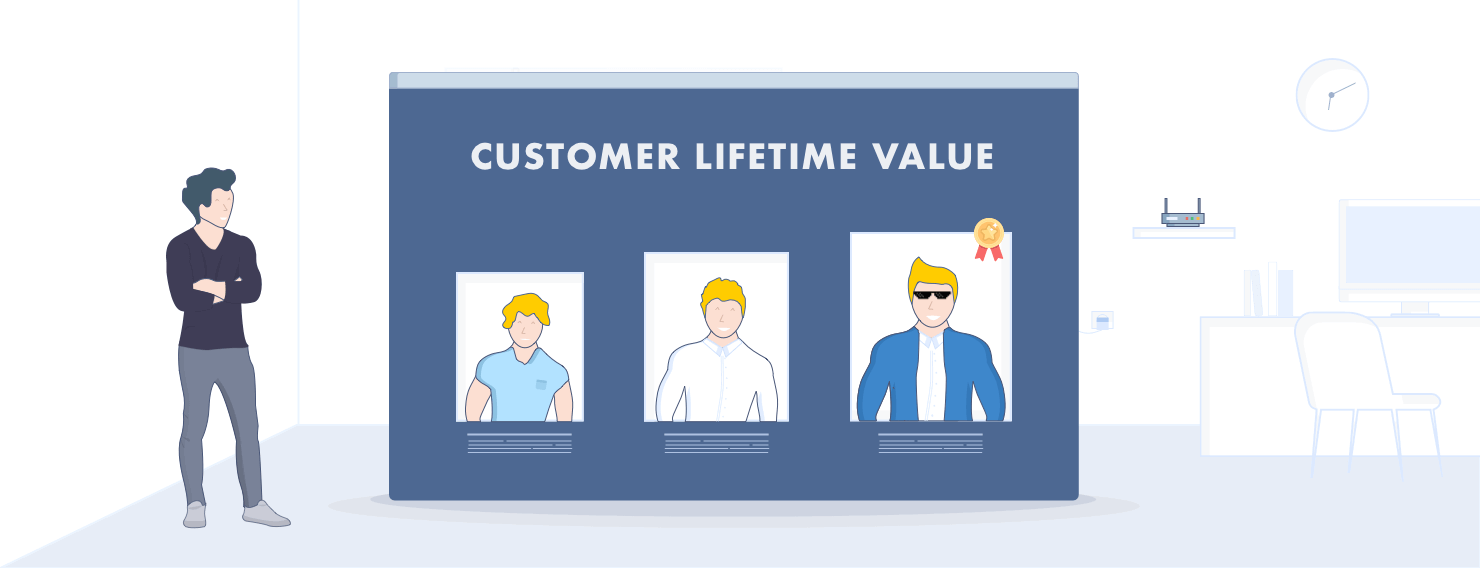
Many entrepreneurs get so occupied calculating the cost per acquisition of the first purchase of a visitor, that they fail to plan for the next 10 purchases from the same customer. Do you have triggered email sequences (or workflows) to get the user back to the website over the next several months? Do you have a plan of action to build sticky-ness to your website, maybe via a loyalty program? Do you ask your first-time buyers for referrals? Are you offering the right after-sales service to ensure the first time buyer feels you’re worthy to be visited again? These are the questions you should answer.
These are a few quick things to keep in mind before you start spending money on your ad campaigns in your hunger to generate maximum orders.
Questions or additions? Write to us in the comments below or email on deep@digichefs.com.